
Procedures
We offer a very wide range of procedures in our office for patient convenience.
For our patients’ convenience, we offer a very wide range of procedures in our office.
No more running from location to location for a primary care visit, lab work, and finally, your procedure. Most of your medical needs can be met right here at Post Falls Family Medicine.
Injections
Covering a wide variety of possibilities, many medications and treatments may be administered via injection. Injections like corticosteroids can help lower inflammation, soothe allergic reactions, and reduce pain. Joint injections are one example. Injections can be used to treat many health conditions, like allergic reactions, asthma, arthritis, tendonitis, and also to accelerate healing, as with platelet rich plasma injections. Additionally, some pain relievers and birth controls can also be injected.
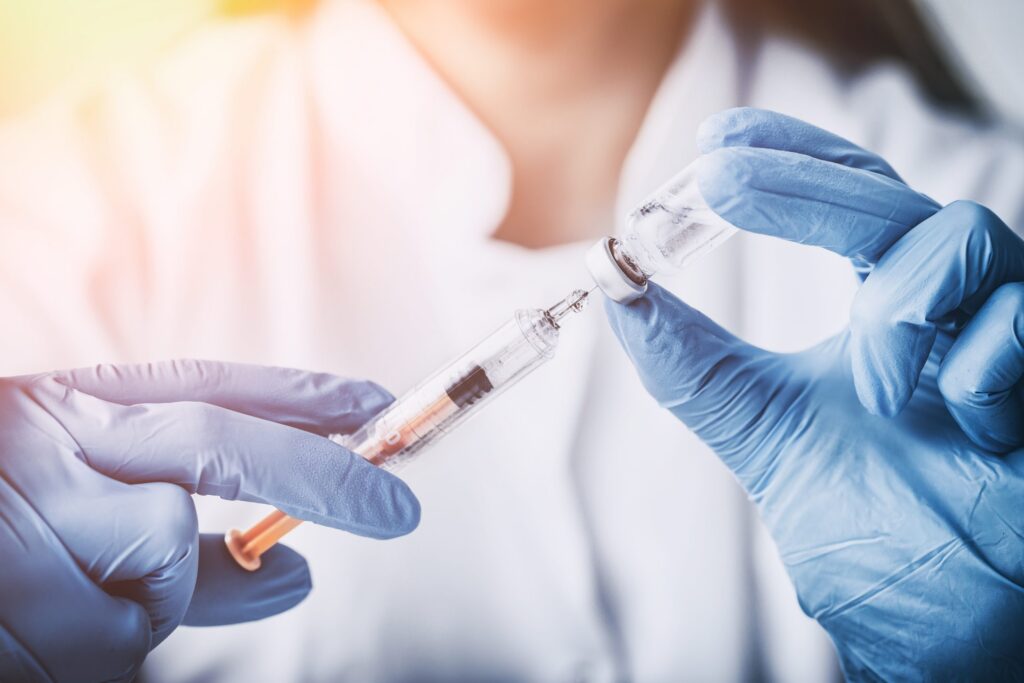
Joint Injection and Aspiration
When there is fluid buildup in a joint, joint aspiration can be used to remove it. During the procedure, a needle and syringe are used to take out the excess fluid, relieve swelling, or obtain a sample for analysis. The procedure is done under local anesthesia, so pain and discomfort are usually minimal. Joint aspiration is done on the knee more than anywhere else, but can also be used around the shoulders, elbows, hips, wrists, and ankles.
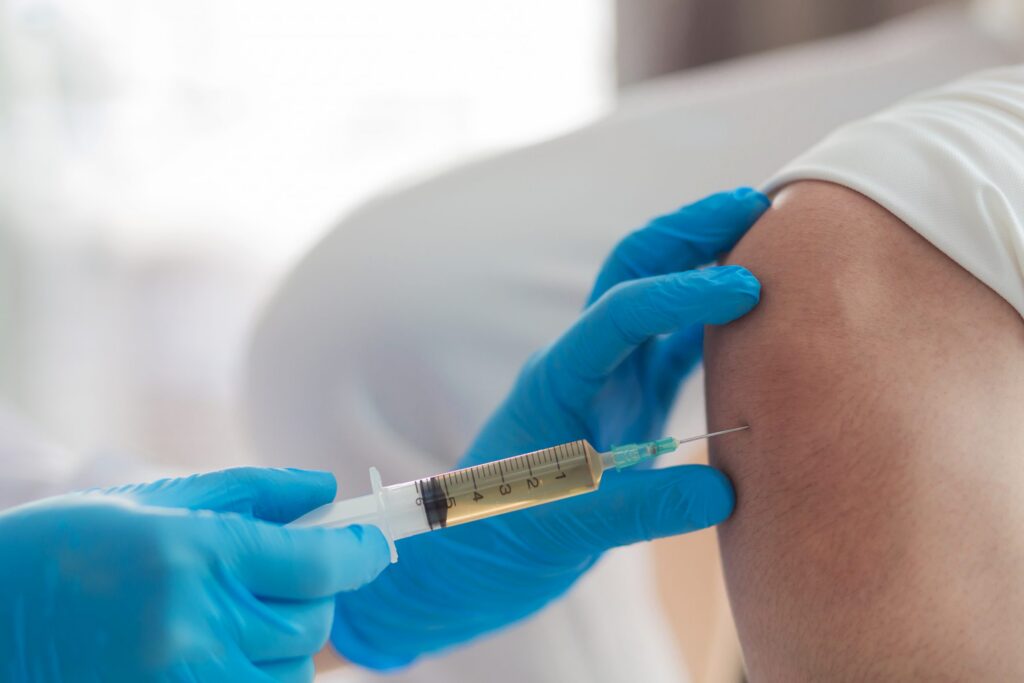
Platelet-Rich Plasma (PRP) Injection
PRP injection is a regenerative therapy in which a concentrated preparation of a patient’s own platelets, obtained by centrifuging a sample of whole blood, is injected into damaged or degenerated tissue. The platelet concentrate releases growth factors that promote tissue healing, reduce inflammation, and stimulate cellular repair. These PRP injections can promote natural tissue healing and regeneration, may reduce pain and improve function in chronic musculoskeletal condition, and can potentially reduce the need for surgical intervention. Common injection sites include the knee for osteoarthritis, shoulder, elbow for lateral epicondylitis / tennis elbow or medial epicondylitis / golfer’s elbow, and ankle/foot for achilles tendinopathy, plantar fasciitis.
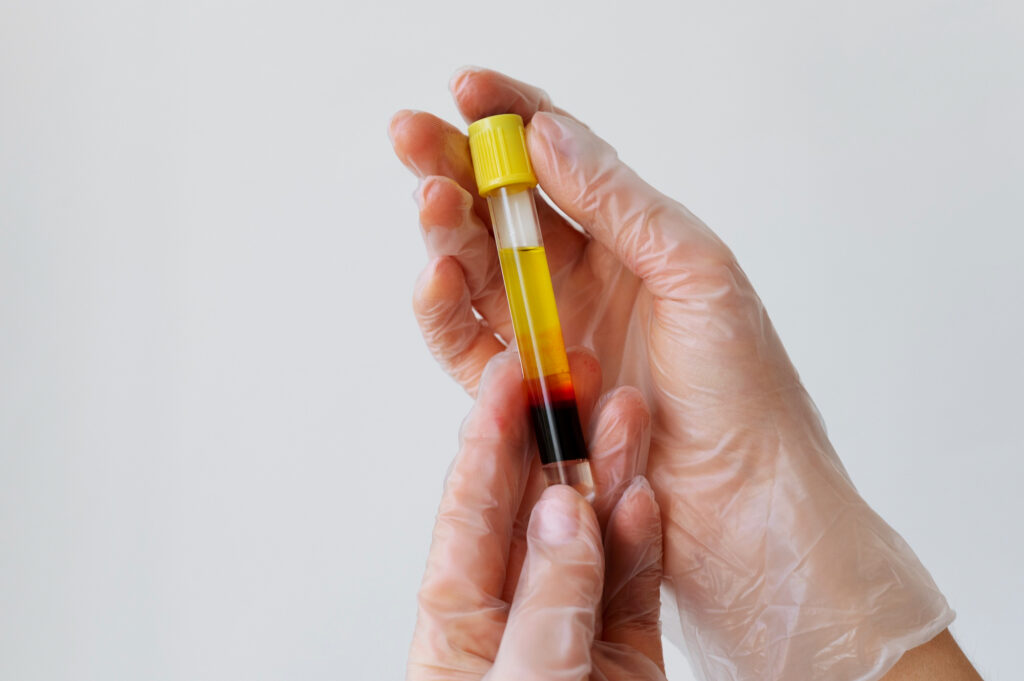
Lesions / Cysts / Warts
Lesions are regions within an organ or body tissue that suffered damage via disease or another injury. Wounds, ulcers, abscesses, and tumors are all examples of lesions. Cysts are sacs of tissue that are filled with other substances, like fluid or air. Warts are small, hard, and benign growths that appear on the skin and are usually caused by a virus. Each one can be treated in our office with varying methods of treatment.
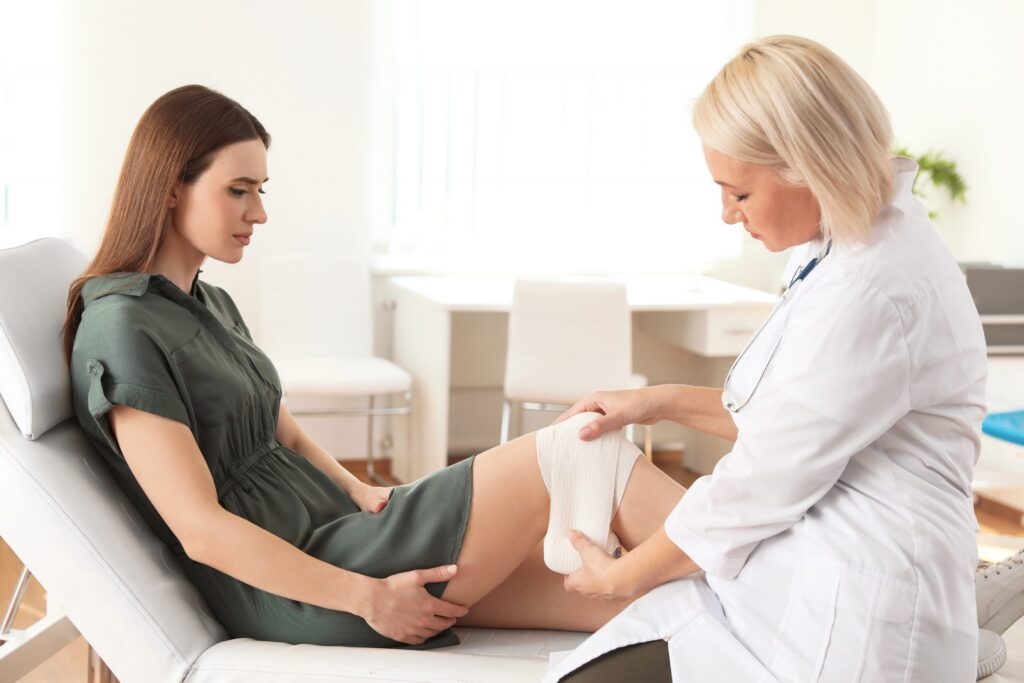
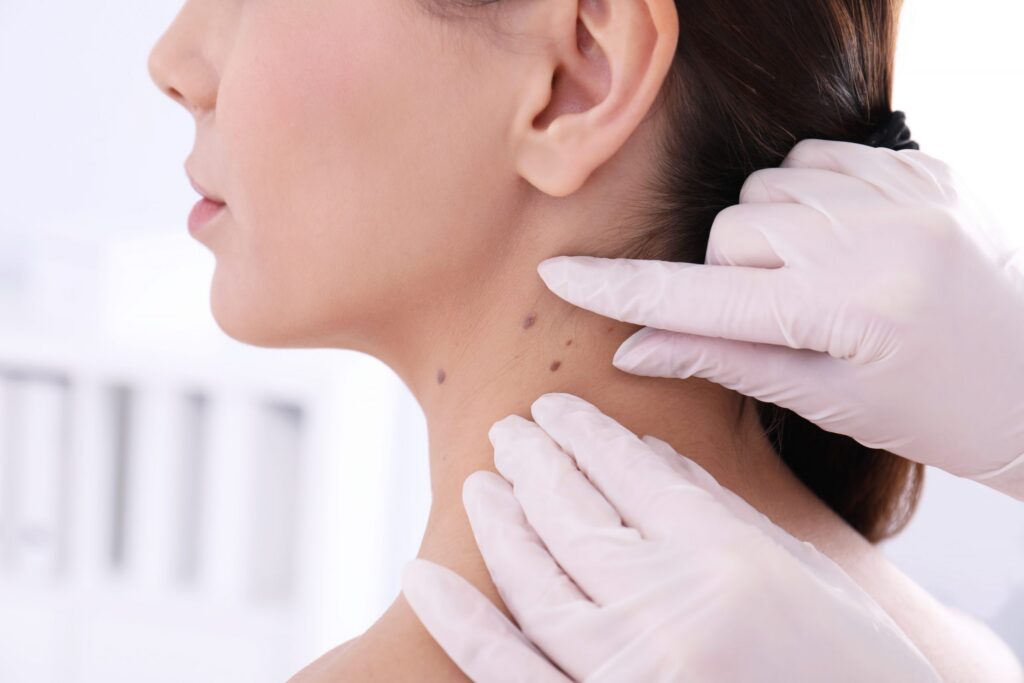
Mole Biopsy / Excisions
When a troubling mole is present on your skin, our providers will assess the mole to determine if a biopsy is necessary. This process is called excisional biopsy. While it sounds like a scary process, it can be performed quickly and safely in office using local anesthesia. A small percentage of biopsied moles are determined to be melanoma. Most biopsied moles are completely removed during the procedure.
Vasectomy
Vasectomies are an incredibly effective birth control method with over 99% effectiveness. They’re also a relatively quick, simple, effective, and safe procedure. During your vasectomy, the vas deferens tube, which carries the sperm from your testicles, will be severed and closed. The localized anesthesia you receive will prevent you from feeling pain during the procedure itself, and any discomfort or pain you feel after should be mild enough to treat with compresses and over-the-counter pain relievers.
EKG
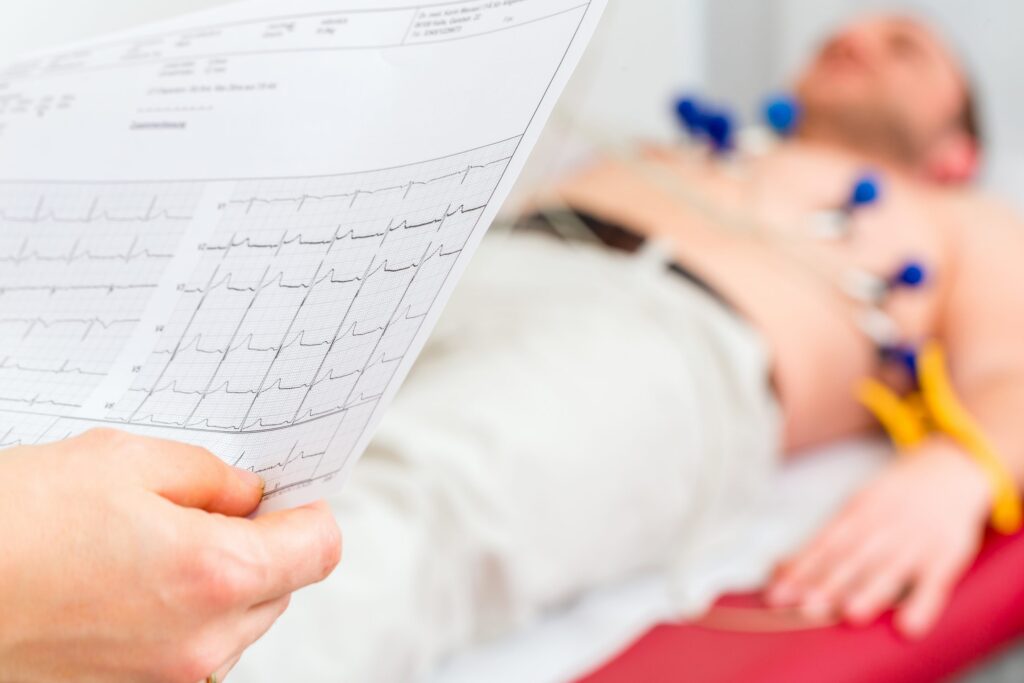
An EKG, or electrocardiogram, is a noninvasive medical test that helps measure the electrical activity of a patient’s heart. This painless test is often used in the detection of heart problems like heart attacks, arrhythmias, irregular heartbeats, and palpitations. Measuring and monitoring heart activity can help alert medical professionals to potential or existing problems and help guide treatment options.
Birth Control
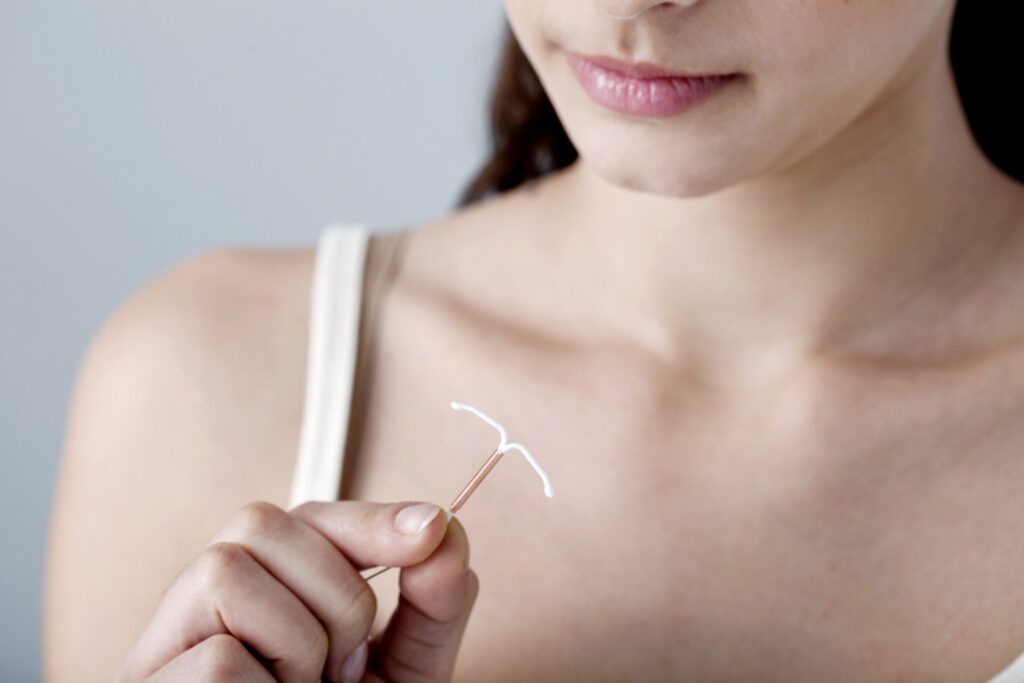
A popular form of birth control is the IUD. IUD stands for intrauterine device, and it may be a copper-coated piece of plastic or may be coated in hormones such as progestin. The device is fitted and inserted into the uterus using an applicator tube. IUD placement is an uncomplicated, quick, and typically only mildly uncomfortable procedure.
Colposcopy / LEEP
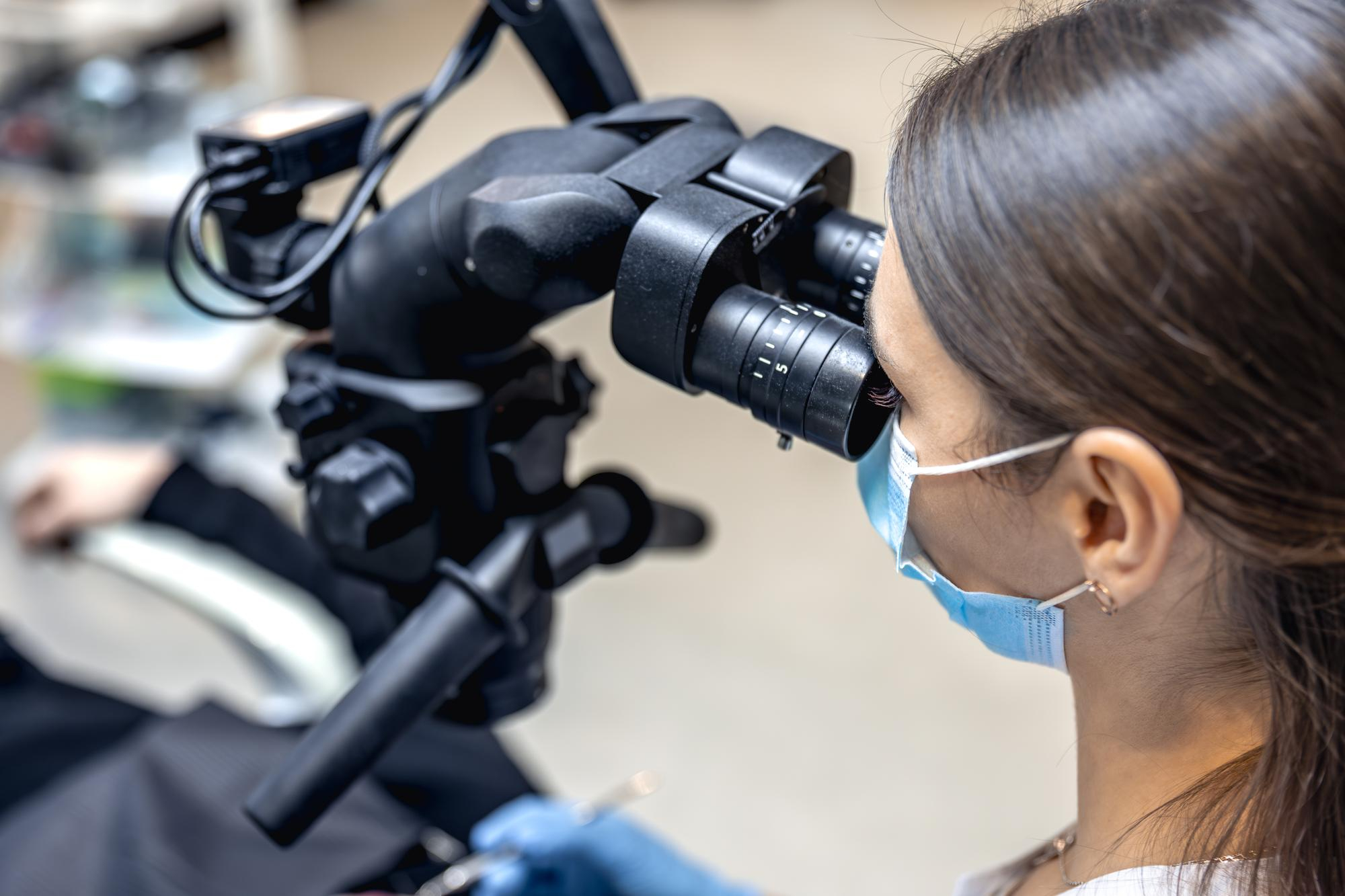
Colposcopy is a diagnostic procedure used to closely examine the cervix, vagina, and vulva for abnormal areas, often after an abnormal cervical cancer screening result. During colposcopy, a special magnifying instrument called a colposcope is used, and a biopsy may be taken if an abnormal area is identified.
LEEP (loop electrosurgical excision procedure) uses a thin wire loop carrying an electrical current to remove abnormal tissue from the cervix. The removed tissue is sent to a laboratory for examination.
Cryotherapy
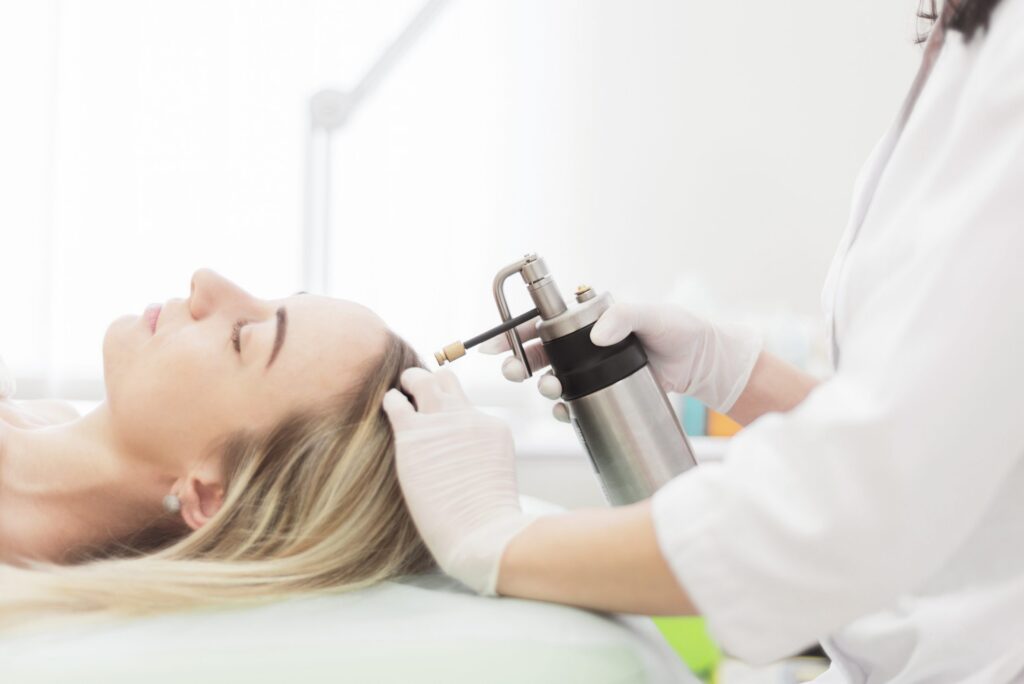
Cryotherapy uses extreme cold, typically liquid nitrogen, to freeze and destroy certain abnormal or unwanted skin lesions. It is commonly used to treat conditions such as warts and certain precancerous or benign skin lesions.
Treatment is usually brief and may cause temporary stinging, redness, swelling, blistering, or scabbing as the treated area heals.
Lacerations / Sutures
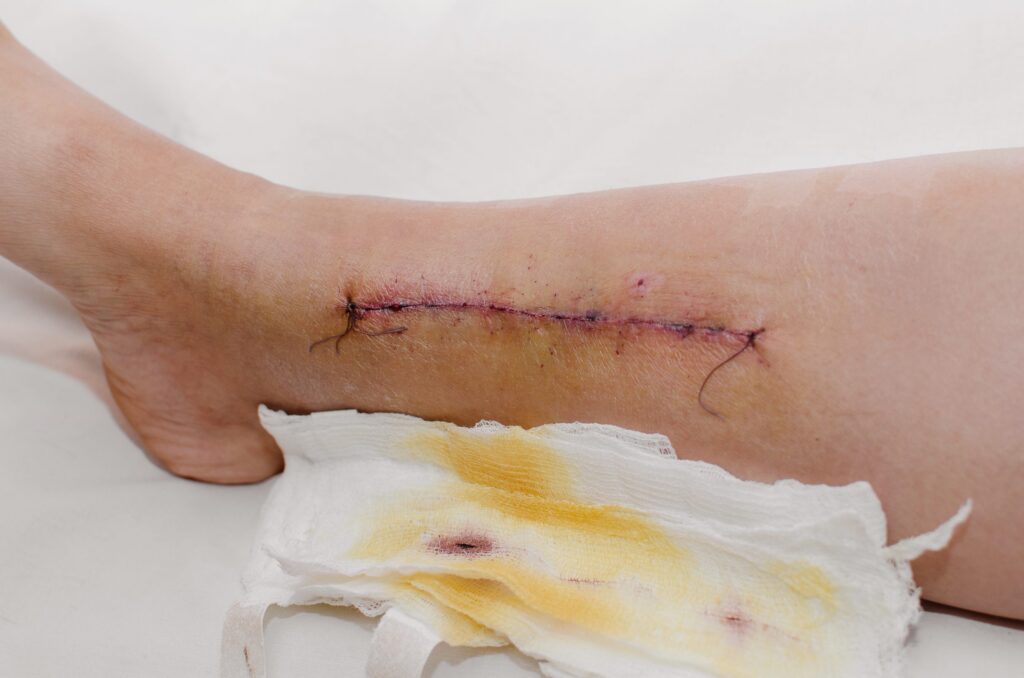
We can quickly and expertly manage lacerations in our office. When a cut or laceration is large or deep enough, a Band-Aid, medicated ointment, or gauze wrap may not be enough. Sutures (also called stitches) are designed to seal the edges of a wound together so that it can heal. This helps reduce the potential for scars forming, stop the bleeding, and decrease the potential for the wound to get infected.
Schedule Your Appointment Now

1220 E Polston Ave
Post Falls, ID 83854
Phone: (208) 773-1577
Fax: (208) 773-8585
Fax: (208) 758-8534 - Medical Records
Hours:
Monday-Thursday 7AM-5PM
Friday 7AM-4PM
Privacy Policy