
Pediatric and Adolescent Care
Medical Care for Your Kids and Teens
Our children are our future. This is only one of many reasons why it’s important for them to get the best care possible. It’s also the best reason to find one comprehensive, compassionate care provider that can handle each of their sensitive needs, rather than visiting several pediatricians or specialists. From immunizations to physicals, we offer expert pediatric and adolescent care that you can trust and rely on.
Well Child Exams
Sometimes called well checks, these exams typically occur at the following ages:
- 2 weeks
- 1 month
- 2 months
- 4 months
- 6 months
- 9 months
- 12 months
- 15 months
- 18 months
- 2 years, and every year thereafter
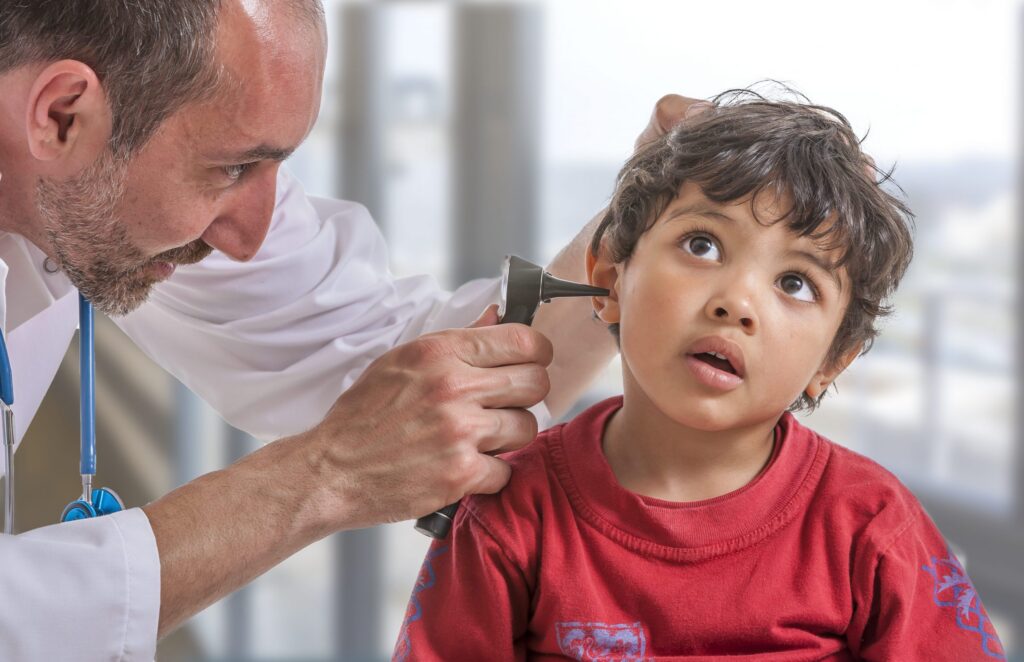
These strategically planned exams allow medical care providers to track the growth, progress, and health of children at some of their most impactful ages. Development occurs more quickly in these formative years, and an overall visit with a complete physical exam can help record growth and development, as well as identifying and preventing any potential health problems that arise.
Newborn Care
There’s nearly nothing more special in the entire world than the moment you get to take your newborn home. Before that moment comes, many parents feel worried or anxious, unprepared to take on such a fragile task. If this applies to you, don’t worry, you’re not alone. Newborn care is designed to not only make sure that they’re healthy and ready to adjust to their new life at home, but it also gives you the information and tools you need to ensure their health and safety once they’re there.

Sick/Illness Visits
Post Falls Family Medicine provides prompt evaluation and treatment for a wide range of acute illnesses and minor injuries. Whether you’re child is experiencing cold and flu symptoms, sore throat, ear infections, sinus infections, urinary tract infections, or other non-emergency health concerns, our team is here to help them feel better quickly. We offer timely, compassionate care with personalized treatment plans to get your child back to their daily routine as soon as possible.

Neonatal Circumcision
Circumcision is a surgical procedure that removes the foreskin of the penis. In newborns, it is usually done in the first few weeks of life, takes only a few minutes, and is performed with numbing medicine (a local anesthetic injection) using a small clamp device. The area typically heals in 7–10 days, with petroleum jelly and gauze used to keep the site from sticking to the diaper. Circumcised males may have a lower chance of urinary tract infections in the first year of life, a lower lifetime risk of penile cancer, and a lower risk of catching HIV and some other sexually transmitted infections. It is an elective procedure, and you will have to check with your insurance regarding coverage.

Sports Physicals and Camp Physicals

Immunizations / Vaccinations
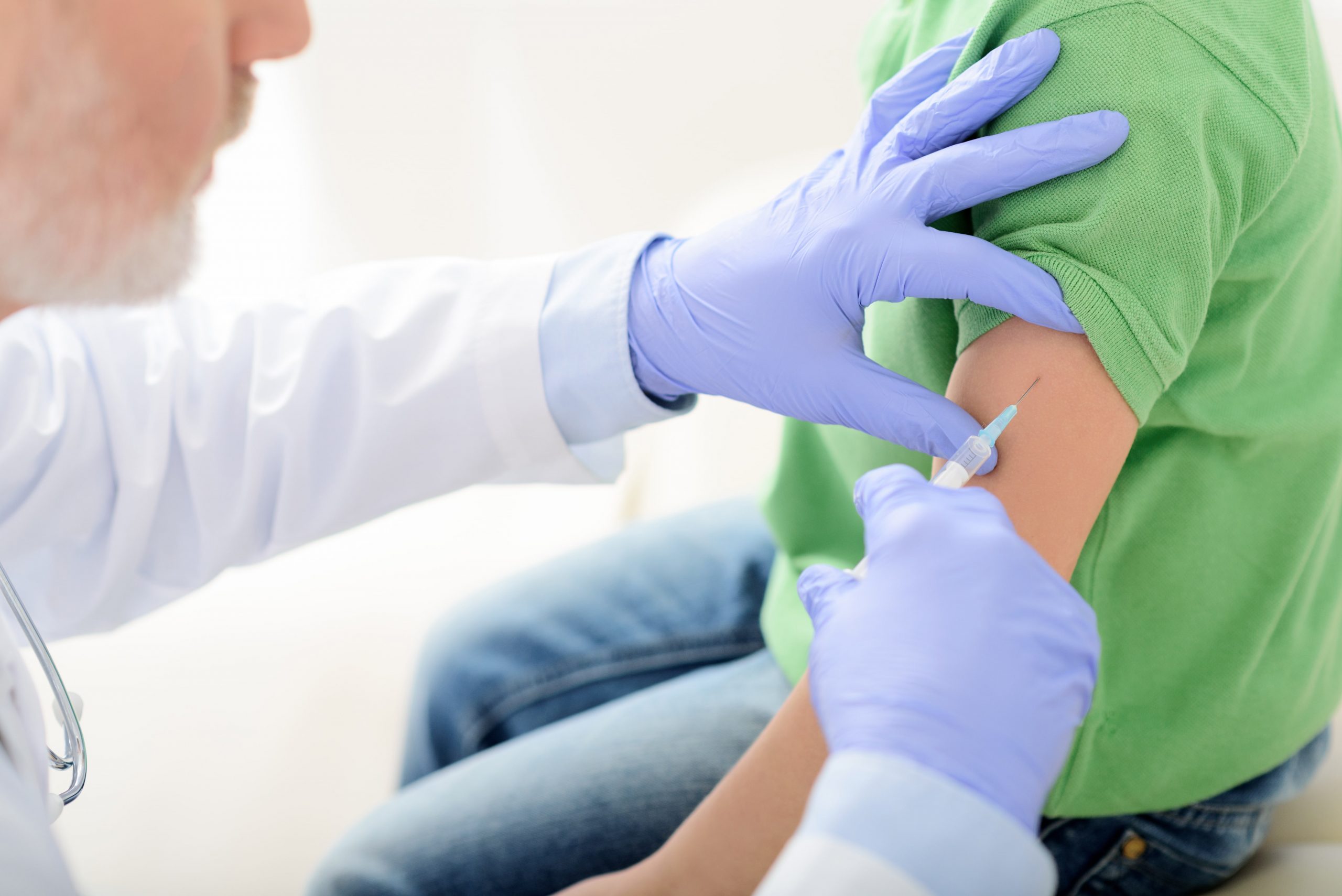
Routine childhood vaccines are one of the most effective ways to protect your child from serious and potentially life-threatening diseases. Since 1994, childhood vaccinations in the United States have prevented approximately 508 million cases of illness, 32 million hospitalizations, and over 1 million deaths. Vaccines work by training your child’s immune system to recognize and fight specific infections before they cause harm. When enough children in a community are vaccinated, it also helps protect those who cannot be vaccinated — such as newborns and children with certain medical conditions — by reducing the spread of disease.
Like all medical interventions, vaccines can have side effects. The most common side effects are mild and short-lived, typically lasting 24–48 hours. Serious side effects are rare generally ranging from approximately 1 in 100,000 to 1 in 1,000,000 doses.
Common childhood vaccines include:
- Hepatitis B (HepB)
- Diphtheria, Tetanus, and Pertussis
- (DTaP/Tdap)
- Haemophilus influenzae type b (Hib)
- Inactivated Poliovirus (IPV)
- Pneumococcal Conjugate Vaccine (PCV)
- Rotavirus
- Measles, Mumps, and Rubella (MMR)
- Varicella (Chickenpox)
- Hepatitis A (HepA)
- Influenza (Flu) — annually, starting at 6 months
- Human Papillomavirus (HPV) — starting at age 11–12
- Meningococcal Vaccine — starting at age 11–12
Your Family, Your Decision
We believe that every family deserves clear, honest information to make the best healthcare decisions for their children regarding vaccines and all other aspects of your child’s care. We are here to answer your questions, address your concerns, and support you — whatever you decide. Your autonomy as a parent and decision-maker for your child will always be respected.
Schedule Your Appointment Now

1220 E Polston Ave
Post Falls, ID 83854
Phone: (208) 773-1577
Fax: (208) 773-8585
Fax: (208) 758-8534 - Medical Records
Hours:
Monday-Thursday 7AM-5PM
Friday 7AM-4PM